How do you avoid making motion feel generic?
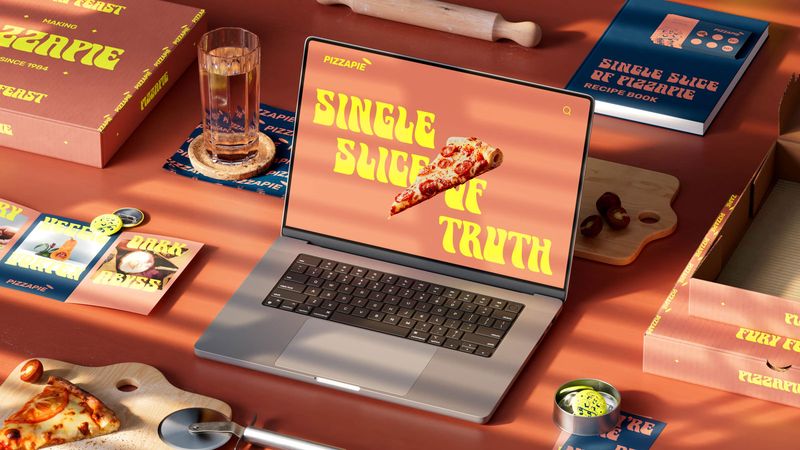
For example, how text could move, how colour animates, how playful vs professional things should feel etc. Then see how it feels with the client, and what we can dial back or push further, or rethink altogether.
By the toolkitting stage, exploration must distill into clear guidelines and assets. While some rules are prescriptive, flexibility is key, like HubSpot's mix of simple and playful text presets. This balance keeps a brand fresh. Crucially, a toolkit provides the assets, but guidelines explain how and when to use them, ensuring brand personality is preserved even when new assets are created outside the system. We learned this firsthand: without clear do's and don'ts, branded assets were misused. Guidelines must be included from the start.
“It starts by understanding the brand's personality and doing a ton of R&D to explore the extremes of different brand facets…” Abe
When’s the right time to build a motion system or what’s the indicator that a brand is ready?
If you’re developing a rebrand or a new identity today, motion should already be part of the package and considered from day one of production. Any branding agency should be delivering motion guidance alongside the visual identity, as one complete set of comprehensive brand guidelines.
For brands already producing content, the right time to consider a toolkit or guidelines is when things start going rogue. When content feels inconsistent, when quality varies, and when it no longer accurately reflects who the brand is. That’s when a motion system can bring everything back on track.
What makes Buff’s approach to motion first strategy different?
Ready-made templates can be useful in certain scenarios, but they’re often designed to have wide appeal. Meaning they can be trend-driven in some cases and brands end up shoehorning those styles into their content, which leads to work that either looks off-brand, inconsistent, or ends up looking like everyone else’s.
Together with the client's team, we iteratively align through a comprehensive exploration phase, and then use our design, storytelling, and animation expertise to build intentional systems to convey who they are, and who they aspire to be. By doing so we endeavour to bring a brand to life in a unique and authentic way.
So when helping clients scale their brand and content, we design systems that account for scalability but with craft at its core. Carefully ensuring growth is efficient, but never at the expense of quality or authenticity.
If you want to read more about how this shows up in our work, check out our case studies with Frontify, Mind, and BitGo below. Each one explores a different take on scalable motion built without compromising on craft.
If you’re looking to scale content without losing what makes your brand distinct, we’d love to help and you can get in touch with the team via studio@buffmotion.com
FAQs & Key Takeaways
What is a motion toolkit and why is it useful for scaling?
A motion toolkit is a system of pre-made building blocks, like templates, text presets and assets - designed for speed and efficiency. It allows internal teams or freelancers to produce large volumes of content, i.e. as 50+ product videos, in a tight timeframe. By using a toolkit, you drastically reduce production time while ensuring that every piece of content remains high-quality and on-brand.
When is the right time for a brand to invest in a motion system?
The best time to build a motion system is during a rebrand or when launching a new identity. However, for established brands, the clear indicator is when content starts to go "rogue" meaning it feels inconsistent, lacks quality, or no longer reflects the brand’s true personality. A motion system brings everything back on track by providing clear "guardrails" for anyone creating content.
How do you prevent scaled motion from looking generic or "off-brand"?
To avoid a generic look, you must move beyond standard presets and do specific R&D into the brand's personality. A motion system shouldn't just provide assets - it should include detailed motion guidelines that explain how and when to use them. This ensures that even when production speeds up, the tonal details i.e. ike how text moves or how playful a transition feels, stays authentic to the brand.